Drain Line Replacement in Denver, CO
Drain line replacement services involve removing and installing new underground pipes that carry wastewater from a property to the main sewer line. These projects typically address issues such as persistent clogs, cracked or broken pipes, root intrusion, or aging infrastructure that can lead to leaks or backups. Homeowners considering this service usually want to understand the scope of the replacement, the materials used, and how the process might impact their property, including any necessary excavation or disruption to landscaping.
Property owners often inquire about signs indicating the need for drain line replacement, such as frequent backups, foul odors, or slow drains. They may also want to know about the longevity of different pipe materials and the steps involved in the replacement process. Clear communication about what to expect during the project can help homeowners make informed decisions and ensure their plumbing system functions properly for years to come.
Many property owners in Denver, CO look into Drain Line Replacement for repairs, replacements, upgrades, and appearance-related improvements.
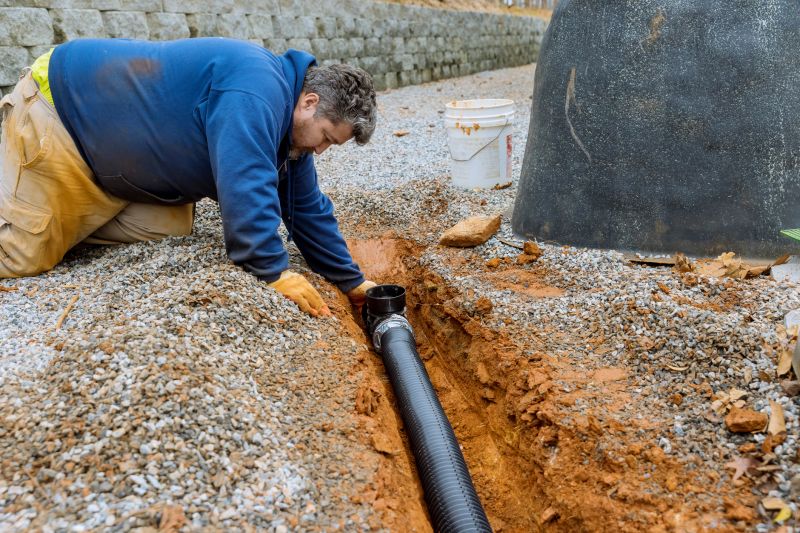
Signs You Need Drain Line Replacement
Persistent clogs or slow drains can indicate damaged or broken drain lines.
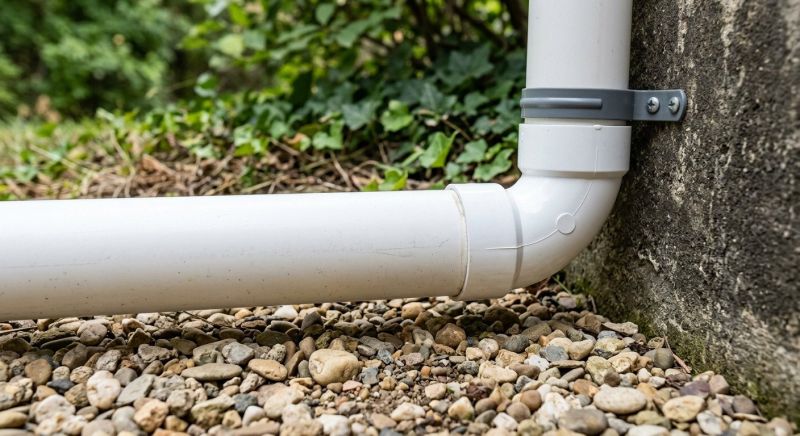
Benefits Of Replacing Drain Lines
Upgrading old or damaged pipes helps prevent backups and improves overall plumbing performance.
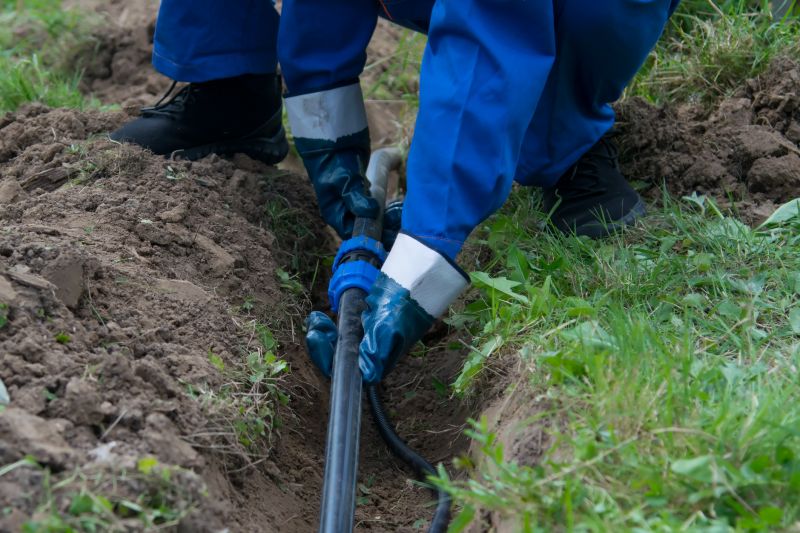
Common Replacement Methods
The process may involve trenchless or traditional excavation techniques to restore proper drainage.
Drain Line Replacement in Denver, CO

Drain line replacement services involve removing and installing new underground pipes that carry wastewater from a property to the main sewer line. These projects typically address issues such as persistent clogs, cracked or broken pipes, root intrusion, or aging infrastructure that can lead to leaks or backups. Homeowners considering this service usually want to understand the scope of the replacement, the materials used, and how the process might impact their property, including any necessary excavation or disruption to landscaping.
Property owners often inquire about signs indicating the need for drain line replacement, such as frequent backups, foul odors, or slow drains. They may also want to know about the longevity of different pipe materials and the steps involved in the replacement process. Clear communication about what to expect during the project can help homeowners make informed decisions and ensure their plumbing system functions properly for years to come.
Many property owners in Denver, CO look into Drain Line Replacement for repairs, replacements, upgrades, and appearance-related improvements.
Common Drain Line Replacement Jobs
Drain line replacement involves removing and installing new drain pipes to ensure proper waste flow.
Broken or cracked drain lines can cause leaks, backups, and property damage if not addressed promptly.
Old or corroded drain pipes may need replacement to prevent blockages and improve drainage efficiency.
Tree root intrusion can damage underground drain lines, requiring replacement to restore proper function.
Drain line upgrades are often needed when remodeling or improving plumbing systems for better performance.
Underground drain pipe issues can lead to persistent clogs and must be replaced to maintain a healthy plumbing system.
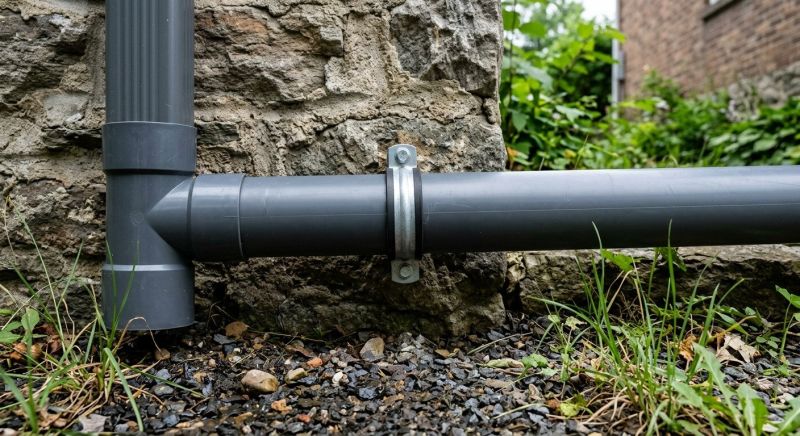

Drain Line Replacement Questions
What is drain line replacement? It involves removing and installing new pipes to ensure proper drainage in a property.
When is drain line replacement needed? Signs include persistent clogs, foul odors, or frequent backups that do not resolve with cleaning.
What types of drain lines are commonly replaced? Main sewer lines and underground drain pipes are typical projects requiring replacement.
What should property owners know before replacement? Proper assessment helps determine the best approach and minimizes disruption to the property.
Request Drain Line Replacement in Denver, CO
Use the quote form on this page to share the basics of your project and request more information for the type of work you need.